
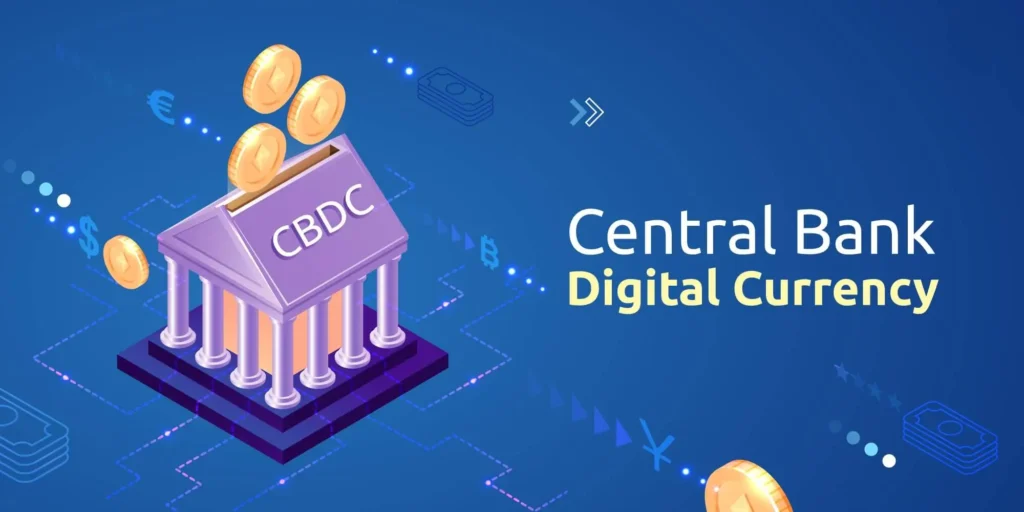
In recent years, a new financial innovation has been gaining significant traction: Central Bank Digital Currencies (CBDCs). These are digital versions of fiat currencies issued and controlled by central banks. As more and more countries explore the potential of CBDCs, it’s essential to understand their implications for the cryptocurrency market.
Content
What are CBDCs?
Imagine a digital version of the dollar, euro, or yen. This digital currency would be issued and regulated by the respective central bank, just like physical banknotes and coins. The key difference is that CBDCs would exist entirely in the digital realm, accessible through digital wallets.
Why are Central Banks Interested in CBDCs?
Central banks are exploring CBDCs for various reasons:
- Efficiency: Digital currencies can streamline payment systems, making transactions faster and more cost-effective.
- Financial Inclusion: CBDCs can provide access to financial services for the unbanked and underbanked populations.
- Counteracting Cryptocurrencies: Some central banks view CBDCs as a way to maintain control over the monetary system and potentially compete with cryptocurrencies.
The Potential Impact of CBDCs on Cryptocurrencies
The rise of CBDCs could have a significant impact on the cryptocurrency market. Here are some potential scenarios:
- Increased Competition: CBDCs could directly compete with cryptocurrencies, especially in terms of payment and settlement services. If CBDCs offer similar benefits to cryptocurrencies, such as faster transactions and lower fees, they could attract users away from crypto.
- Regulatory Clarity: The development of CBDCs could lead to increased regulatory clarity for the cryptocurrency market. Central banks may establish frameworks that provide a more stable and predictable environment for cryptocurrencies.
- Innovation Catalyst: CBDCs could stimulate innovation in the financial sector, including the development of new financial products and services. This could indirectly benefit the cryptocurrency market by fostering a more dynamic and technologically advanced ecosystem.
Key Takeaways:
- CBDCs are digital versions of fiat currencies issued by central banks.
- Central banks are interested in CBDCs for efficiency, financial inclusion, and potential countermeasures to cryptocurrencies.
- CBDCs could compete with cryptocurrencies, lead to increased regulatory clarity, and stimulate innovation in the financial sector.
By understanding the potential implications of CBDCs, cryptocurrency enthusiasts can better navigate the evolving landscape and position themselves for future success.
Conclusion
The emergence of CBDCs is a significant development with the potential to reshape the global financial landscape. While the exact impact on cryptocurrencies remains uncertain, it’s clear that CBDCs will introduce new challenges and opportunities for the industry. As central banks continue to explore this technology, it’s crucial for the cryptocurrency community to stay informed and adapt to the changing regulatory environment.

James has been a crypto enthusiast for a year. He’s an avid watcher of all the latest developments in the space, and enjoys predicting what will happen next with his favorite coins.
He lives in his hometown of New York City with his wife and two sons. His hobbies include watching movies, playing basketball, and reading about how to survive disasters that may occur from climate change or an asteroid impact!